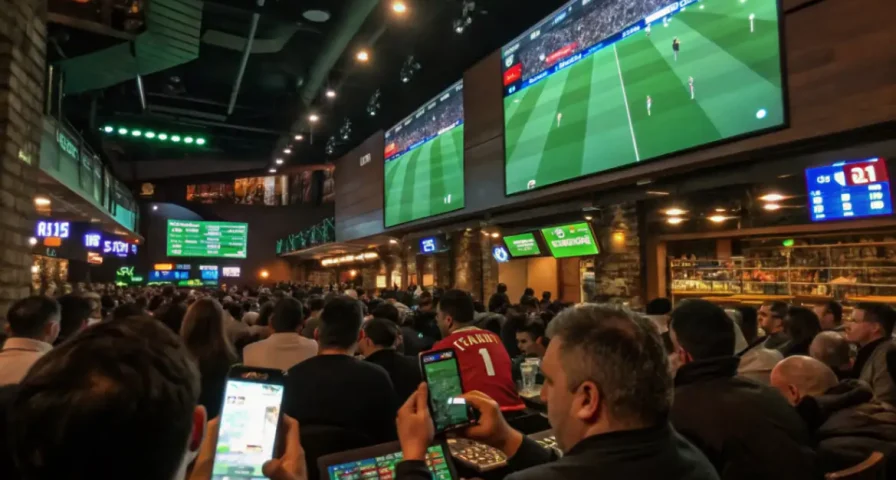
The World Cup has always changed the way people watch football. It turns ordinary evenings into global events, fills social media with instant reactions, and creates emotional swings that last for ninety minutes or more. Betting has evolved alongside that experience. Pre-match wagers once dominated the market because fans placed bets before kickoff and simply waited for the result. That model no longer reflects how modern audiences consume football.
Live betting has transformed gambling into a continuous experience that moves together with the game itself. Instead of predicting a final score hours before the match begins, bettors now react to momentum swings, tactical adjustments, injuries, substitutions, pressure phases, and psychological shifts in real time. During a World Cup, where every moment carries massive emotional weight, this format becomes even more attractive.
The next global tournament is expected to push live betting into the center of the industry. Technology, viewing habits, mobile apps, faster data feeds, and audience behavior are all moving in the same direction. For millions of fans, betting is no longer a separate activity attached to football. It has become part of the viewing experience itself.
The modern fan wants constant interaction
Football audiences have changed dramatically over the last decade. Viewers no longer consume matches passively. They comment on social media while watching, track statistics during the game, follow tactical breakdowns on second screens, and react instantly to every controversial moment. Live betting fits naturally into this environment because it mirrors the pace of digital behavior.
The World Cup creates the perfect conditions for this trend. Matches are spread throughout the day, audiences are emotionally invested, and every event on the pitch can suddenly reshape expectations. A team may dominate possession for thirty minutes and then concede from a counterattack. An underdog may survive constant pressure before gaining confidence after halftime. Live betting allows fans to respond to these shifts instead of remaining tied to a prediction made before kickoff.
This format also gives bettors a stronger sense of control. Traditional betting often feels static. Once the match starts, the ticket is locked and the experience becomes passive. Live markets create a feeling of participation because decisions continue throughout the game. A bettor can observe tempo, body language, tactical shape, weather conditions, or even crowd pressure before making another move.
The rise of streaming culture has amplified this behavior. Younger audiences especially prefer dynamic engagement over delayed outcomes. They are used to real-time notifications, instant reactions, and rapidly changing information feeds. A World Cup match naturally produces dozens of betting opportunities every few minutes, from corners and cards to possession swings and next-goal markets.
Several factors explain why live betting appeals so strongly to modern football audiences:
• It creates constant engagement throughout the entire match.
• It allows bettors to react to real events instead of relying only on pre-game analysis.
• It matches the fast rhythm of mobile and social media culture.
• It turns football viewing into a more interactive experience.
• It provides opportunities even after unexpected moments change the match dynamic.
This psychological connection between live sports and instant interaction is likely to define betting behavior during the next World Cup.
Technology has removed the barriers to in-play wagering
Live betting could never become dominant without major improvements in technology. Earlier versions of in-play betting were slow, unstable, and frustrating. Odds refreshed poorly, platforms crashed during high traffic, and delays made many markets unreliable. That environment has changed completely.
Modern sportsbooks now operate with advanced infrastructure capable of handling enormous spikes in traffic during global tournaments. Odds refresh within seconds, mobile applications function smoothly across devices, and real-time data providers deliver constant statistical updates. This technological evolution has made live betting fast enough to feel natural during a football match.
Mobile betting is especially important. Most bettors no longer sit at desktop computers while watching football. They place wagers through smartphones while commuting, sitting in bars, traveling, or watching games with friends. The World Cup is built around this mobile lifestyle because matches happen across different time zones and viewing environments.
Artificial intelligence and automated pricing systems have also improved the depth of live markets. Sportsbooks can now offer hundreds of in-play options during a single match without relying entirely on manual traders. Bettors can wager on next goalscorers, total cards, possession percentages, offsides, corner races, or short-term outcomes tied to the next few minutes of play.
The growth of ultra-fast sports data has had a major impact as well. Betting operators receive detailed information almost instantly, allowing them to adjust prices rapidly after tactical or statistical changes. This creates a smoother and more trustworthy experience for users.
The following comparison highlights why live betting has gained such momentum compared to traditional pre-match wagering:
| Feature | Pre-match betting | Live betting |
|---|---|---|
| Timing | Before kickoff only | Throughout the match |
| User interaction | Limited | Continuous |
| Emotional engagement | Moderate | Very high |
| Market variety | Smaller | Extensive |
| Reaction to momentum | Impossible | Immediate |
| Mobile compatibility | Strong | Essential |
| Social media influence | Limited | Extremely high |
| Data integration | Basic | Advanced real-time analysis |
These advantages explain why operators increasingly prioritize live markets during major tournaments. The World Cup generates massive traffic peaks, and sportsbooks understand that users who remain active throughout matches produce far greater engagement than bettors who place a single ticket before kickoff.
The result is a feedback loop. Better technology improves live betting experiences, stronger experiences increase user demand, and rising demand encourages operators to invest even more heavily in live infrastructure.
The World Cup creates perfect emotional conditions for live betting
No football tournament produces emotional volatility like the World Cup. Domestic leagues unfold over many months, giving fans time to process defeats and recover from setbacks. International tournaments are different. Every match feels decisive, every mistake carries huge consequences, and pressure changes rapidly within minutes.
That emotional intensity naturally drives live betting activity.
A World Cup match rarely follows a predictable script. Teams often begin cautiously because the stakes are enormous. One goal can completely alter tactical approaches. An underdog that initially parks the bus may suddenly attack after taking the lead. A favorite chasing the game may throw additional forwards onto the pitch and create chaotic final minutes.
These shifts are exactly what live bettors look for.
Emotional betting also becomes stronger during global tournaments because casual viewers enter the market. Many people who rarely bet during club seasons participate during the World Cup because the event feels culturally universal. Casual bettors are often more reactive than experienced gamblers. They respond emotionally to momentum swings, star players, crowd pressure, and dramatic commentary.
A dramatic penalty decision, a red card, or a late equalizer can instantly trigger enormous betting volume. Live betting markets thrive in those moments because they offer immediate opportunities connected to the emotional energy of the match.
The structure of the tournament amplifies this even further. Group-stage matches create uncertainty because teams balance risk and survival. Knockout football introduces extra time, penalties, desperation tactics, and defensive collapses in the final minutes. Every round increases pressure, which creates more unpredictable match flow.
Live betting is perfectly suited to these conditions because it rewards observation and timing rather than only long-term prediction. Bettors can adapt to the reality unfolding on the screen instead of relying entirely on assumptions made before kickoff.
This flexibility becomes especially important in modern football, where tactical systems are increasingly fluid. Coaches now make aggressive halftime adjustments, alter formations mid-game, and use deeper substitute benches. A match can change identity completely after one substitution or tactical switch.
During the World Cup, where teams spend weeks studying opponents and preparing specialized game plans, these tactical transitions become even more dramatic. Live betting captures that unpredictability better than any traditional wagering format.
Broadcasters and sportsbooks are building a shared ecosystem
The relationship between football broadcasts and betting platforms is becoming tighter every year. During the next World Cup, this integration is expected to become even more visible.
Modern sports broadcasts are designed around real-time information. Viewers constantly see possession statistics, expected goals, shot maps, sprint numbers, passing accuracy, and tactical graphics. This statistical environment naturally supports live betting because audiences already think about the game in dynamic analytical terms.
Sportsbooks have recognized this shift and increasingly build interfaces that resemble live sports coverage rather than traditional gambling platforms. Many apps now include animated match trackers, instant statistics, timeline visualizations, and rapid notifications tied to changing odds.
The overlap between second-screen behavior and live betting is particularly important. Millions of fans watch football while simultaneously using social media, messaging apps, fantasy football tools, or sports statistics platforms. Betting applications fit seamlessly into that digital ecosystem.
Broadcasters also understand that live engagement keeps audiences connected longer. A viewer with an active in-play wager is less likely to leave the stream during slower phases of the game. This extended attention has enormous commercial value.
Some key developments are accelerating this convergence:
• Live statistical overlays are becoming standard across football broadcasts.
• Sportsbook apps increasingly integrate streaming-style match visualization.
• Real-time notifications encourage users to re-enter markets during matches.
• Social media discussion amplifies betting momentum around major moments.
• Personalized odds feeds create tailored in-play experiences for users.
This ecosystem changes the psychology of sports viewing. Fans are no longer simply watching a football match from beginning to end. They are interacting continuously with information, predictions, commentary, and betting opportunities.
The World Cup provides the largest possible stage for this model because global audiences watch simultaneously and react collectively. Every dramatic moment spreads instantly across digital platforms, creating spikes in engagement that directly feed live betting activity.
Younger audiences are reshaping the betting industry
The future of sports betting depends heavily on younger users, and their habits strongly favor live wagering over traditional formats.
Many younger football fans grew up in environments dominated by fast-moving digital interaction. They consume highlights on social media, follow creators instead of traditional pundits, and engage with football through short-form content, streaming platforms, and instant updates. Static pre-match betting feels less aligned with that behavior.
Live betting offers constant stimulation and aligns more closely with modern entertainment patterns. Markets change rapidly, decisions feel immediate, and users remain engaged even when matches slow down temporarily. The experience resembles interactive gaming more than conventional gambling.
This connection to gaming culture is important. Younger audiences are comfortable with dynamic interfaces, rapid decision-making, and reward systems built around continuous engagement. Live betting borrows many psychological elements from competitive gaming environments, including fast feedback loops and real-time strategy adjustments.
The World Cup is likely to accelerate this transition because it attracts enormous numbers of younger casual viewers who interact with football socially rather than traditionally. Many of them consume matches through clips, reaction streams, online communities, and mobile-first platforms.
Sportsbooks increasingly design products specifically for this demographic. Interfaces are cleaner, navigation is faster, and markets are simplified for easier access. Micro-betting options are expanding as well, allowing users to wager on highly specific short-term events rather than only final outcomes.
This evolution changes the economics of the industry. Instead of relying mainly on large pre-match wagers, operators benefit from repeated smaller interactions throughout the match. A single user may place several in-play bets during ninety minutes instead of only one prediction before kickoff.
That behavioral pattern is extremely valuable for sportsbooks because it increases overall engagement time. During a World Cup, where viewers already spend hours watching football daily, live betting becomes a natural extension of entertainment consumption.
The industry understands that this audience shift is structural rather than temporary. Younger bettors are not simply adopting live betting as an alternative feature. Many of them view it as the primary way sports betting should function.
Live betting will define the future of tournament football
The betting industry rarely changes overnight, but some shifts become impossible to ignore once technology, audience behavior, and commercial incentives align. Live betting has reached that point.
The World Cup represents the perfect environment for its dominance because the tournament combines emotional intensity, massive global audiences, nonstop digital interaction, and unpredictable football. Every match produces momentum swings that invite instant reactions. Every dramatic moment creates fresh betting opportunities. Every tactical adjustment reshapes expectations in real time.
Traditional pre-match betting will still exist, especially among experienced bettors who prefer long-term analysis and calculated value positions. Yet the center of gravity is moving steadily toward in-play engagement. Fans increasingly want betting experiences that evolve together with the action on the pitch rather than remaining fixed before kickoff.
Technology has removed most of the friction that once limited live wagering. Mobile apps, fast data feeds, automated pricing systems, and real-time interfaces now make in-play betting smooth and accessible to global audiences. Broadcasters and sportsbooks are building interconnected ecosystems designed around continuous interaction rather than passive viewing.
The World Cup is likely to accelerate this transformation faster than any previous football event. Casual viewers, younger audiences, and highly engaged football fans are all converging around the same habit: reacting instantly to the game as it unfolds.
That is why live betting is no longer just an additional feature within sports gambling. It is becoming the core experience around which modern football betting is built.